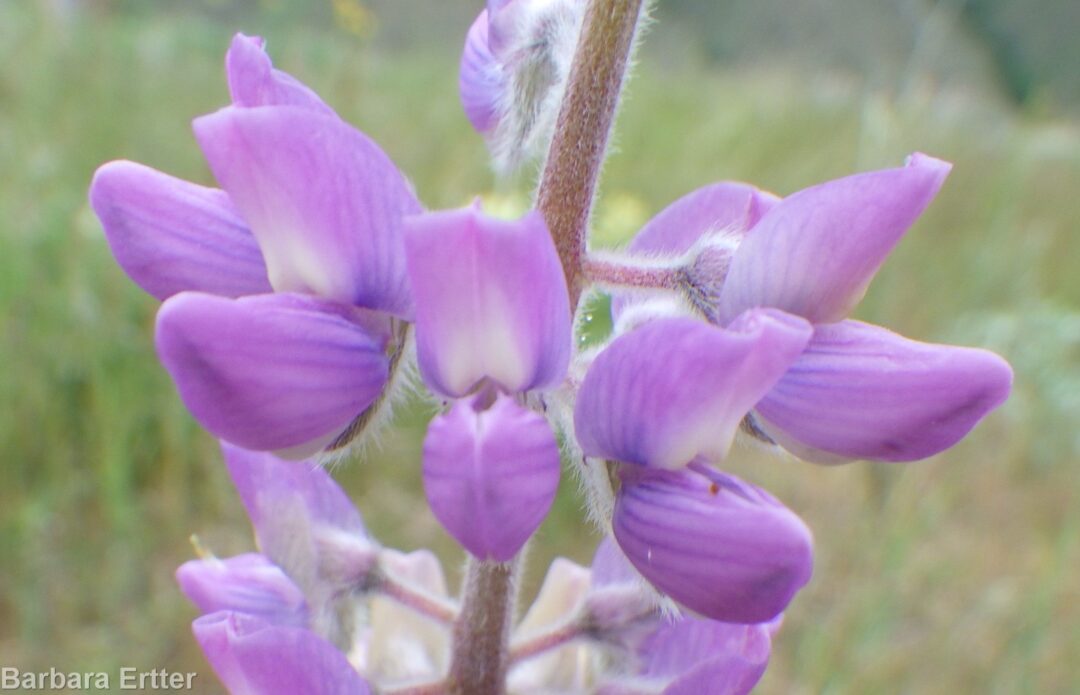
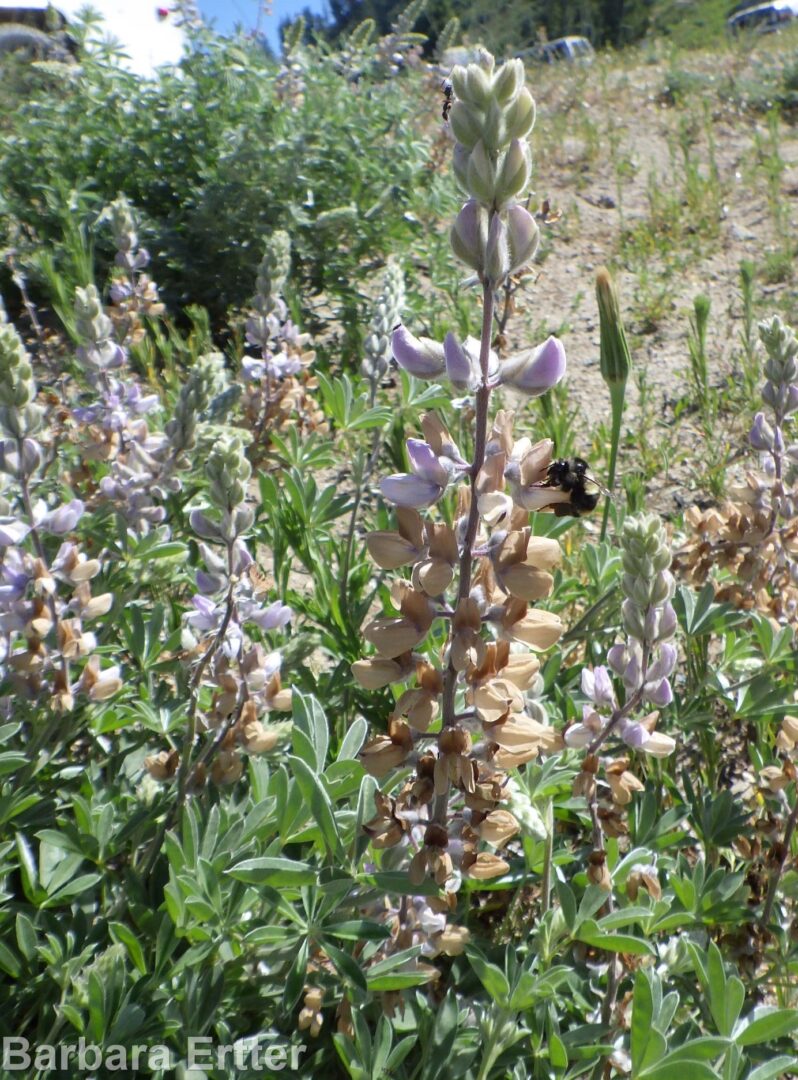
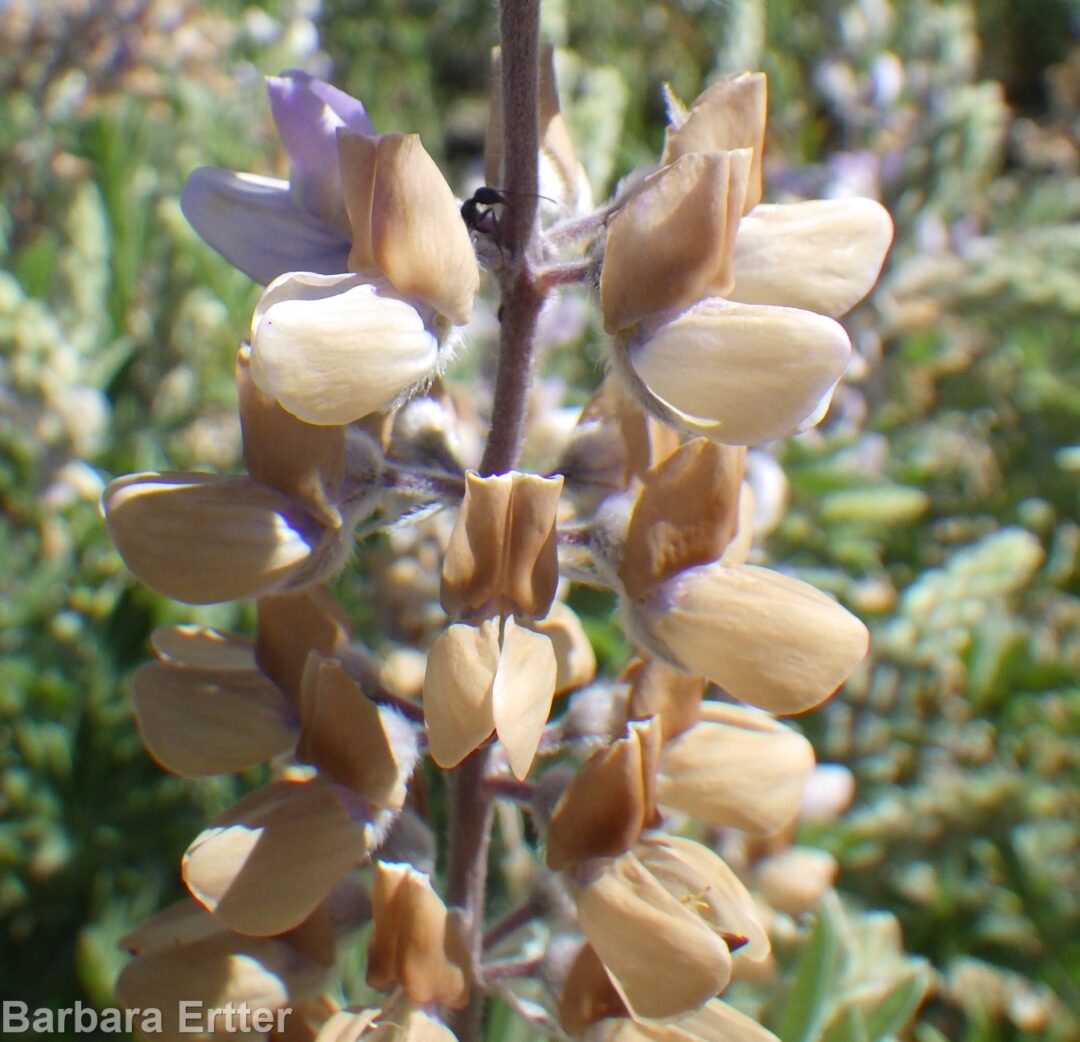
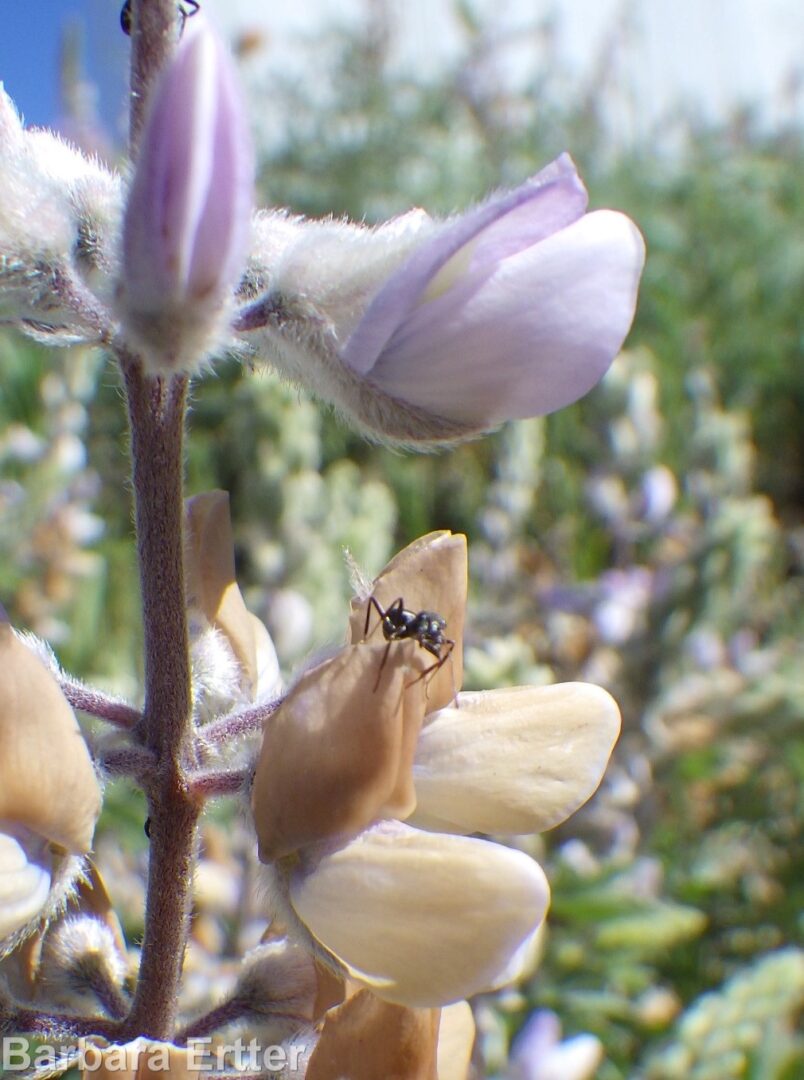
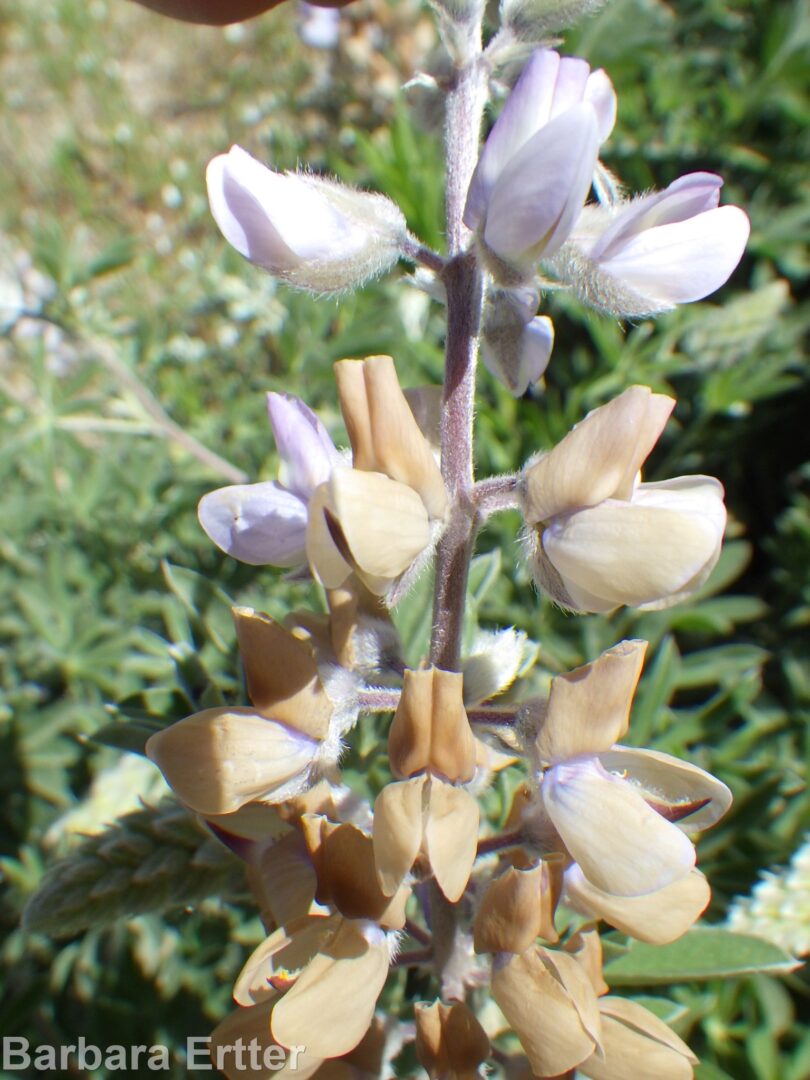
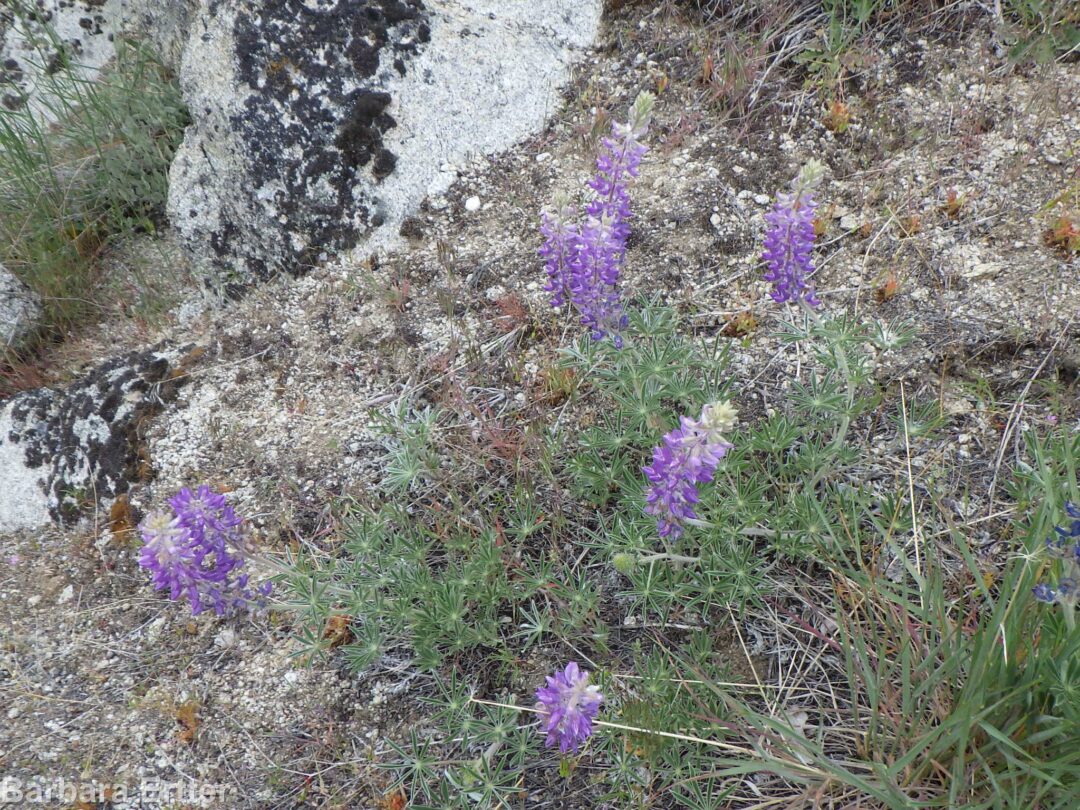
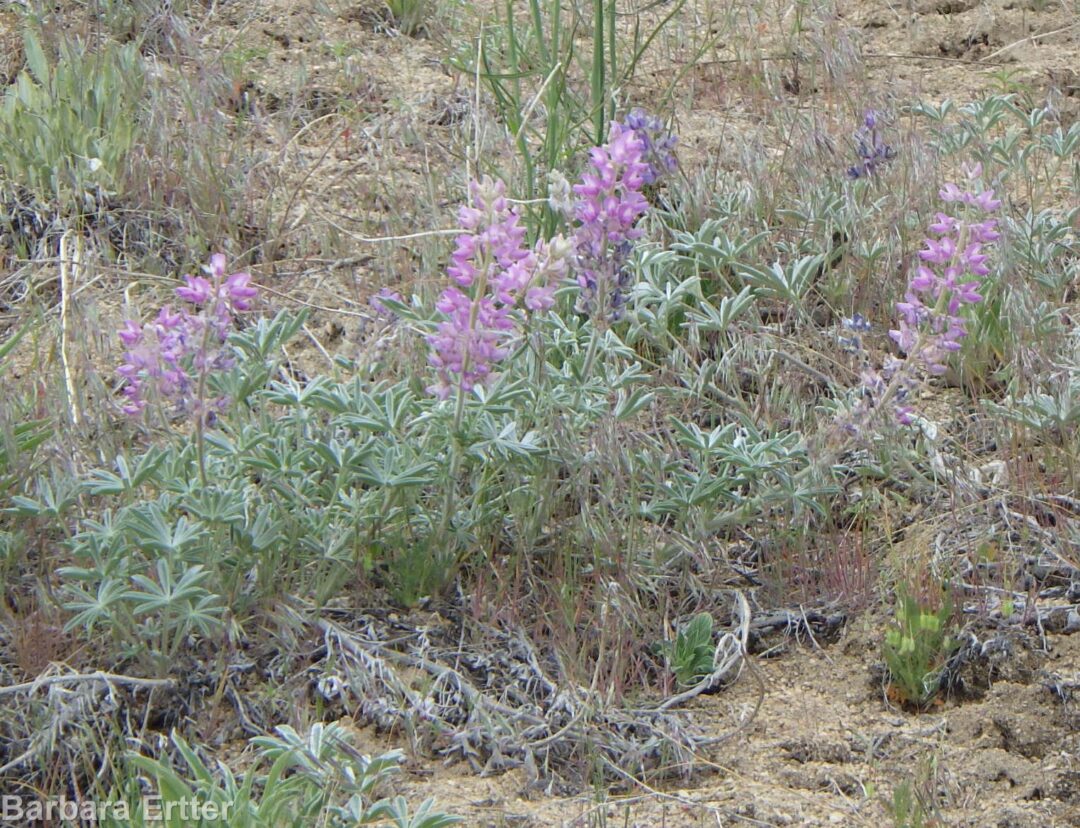
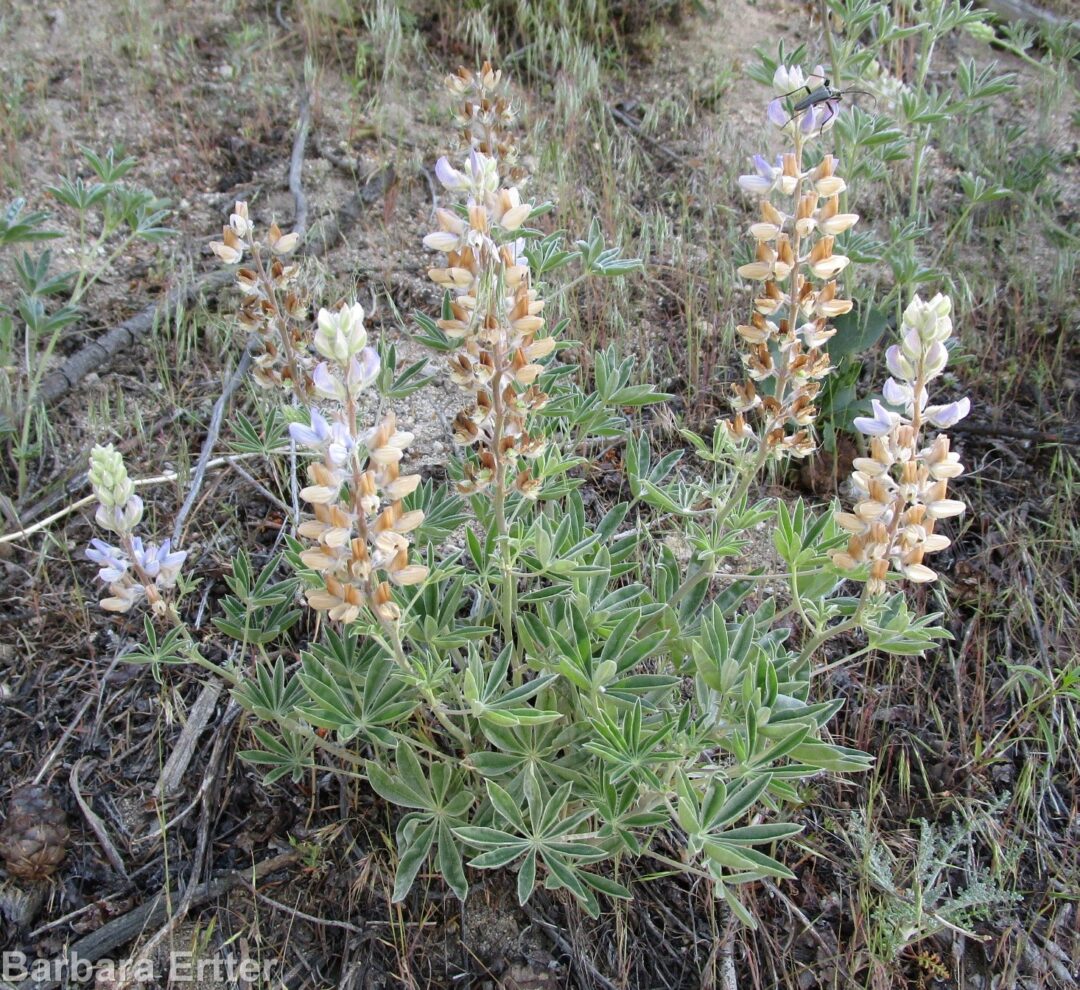
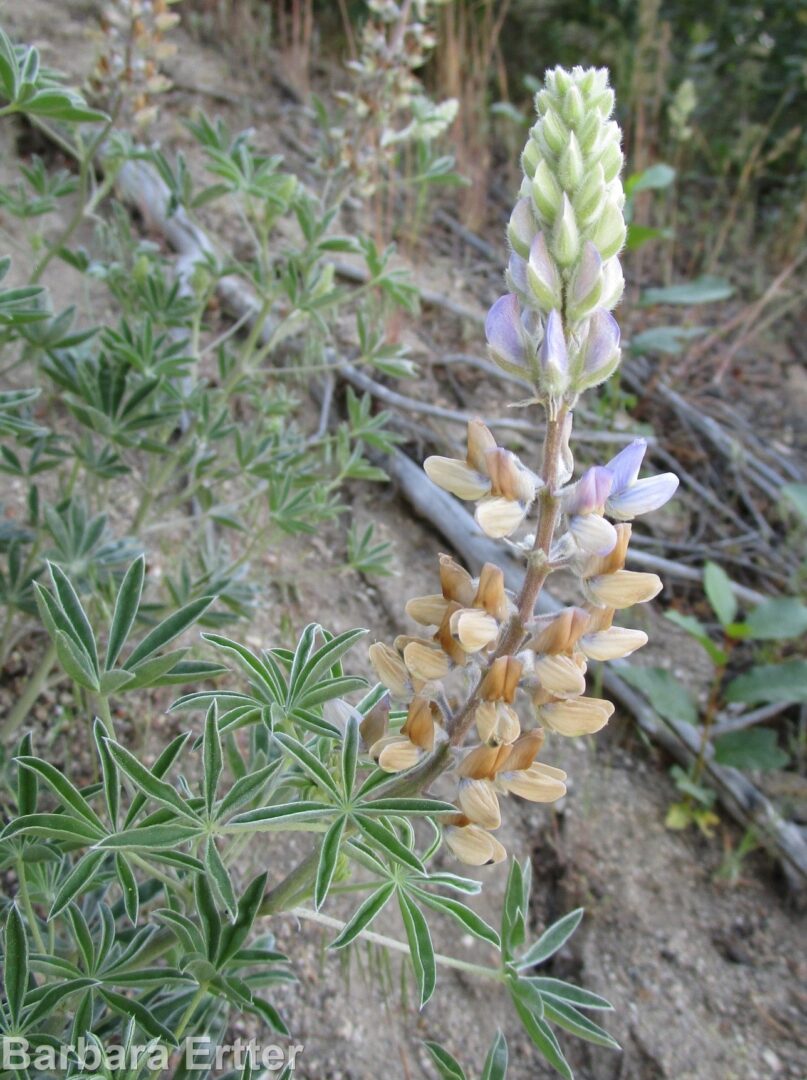
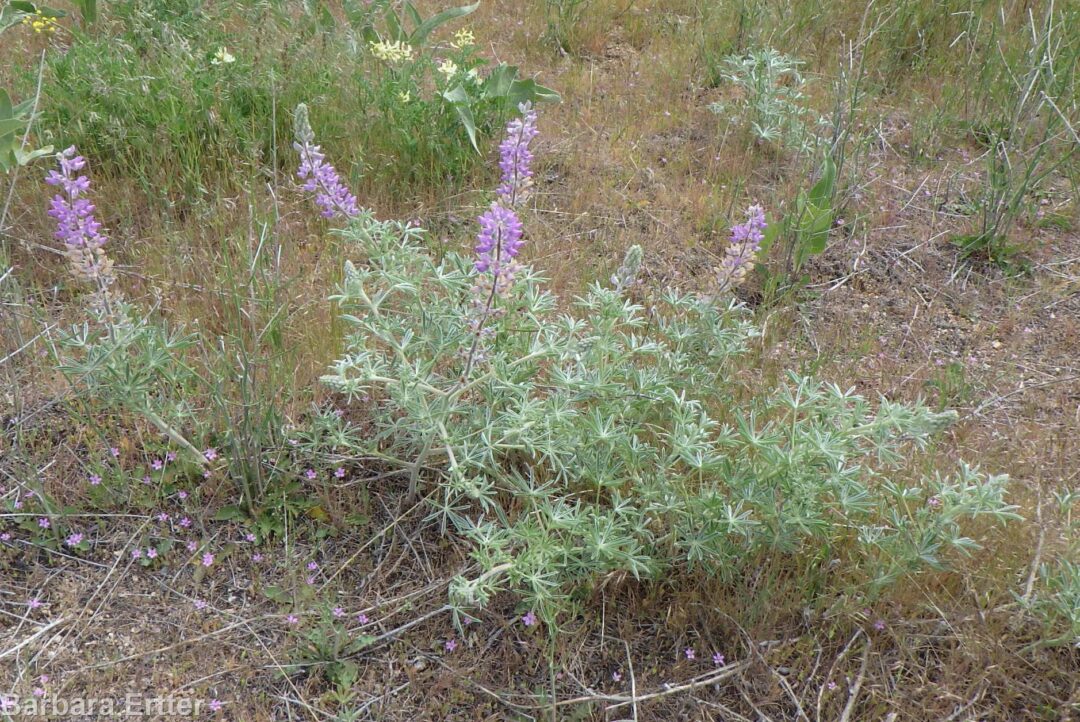
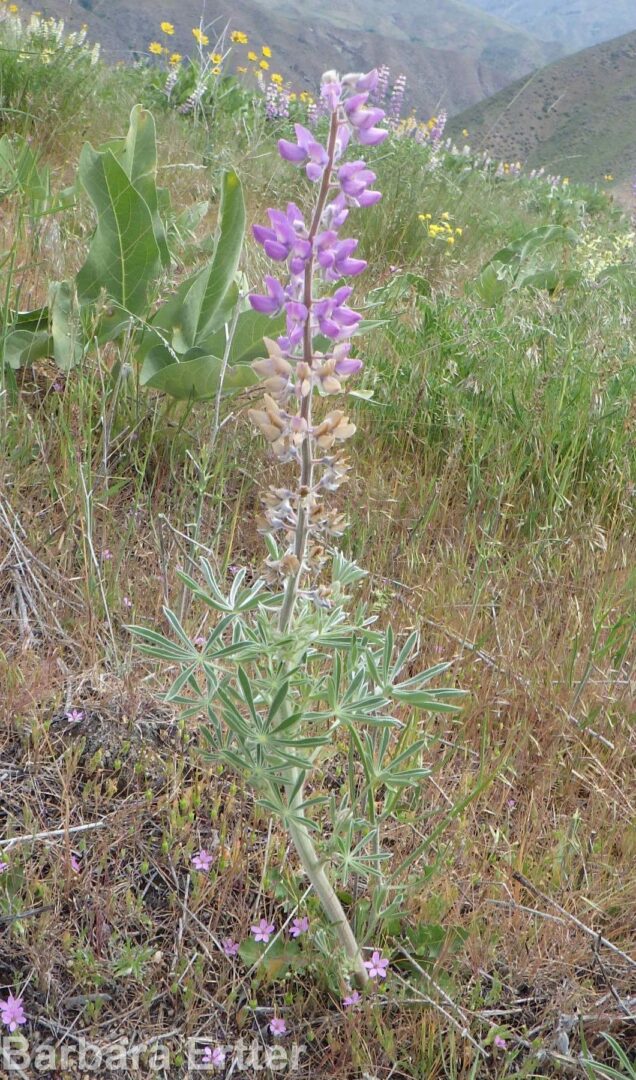
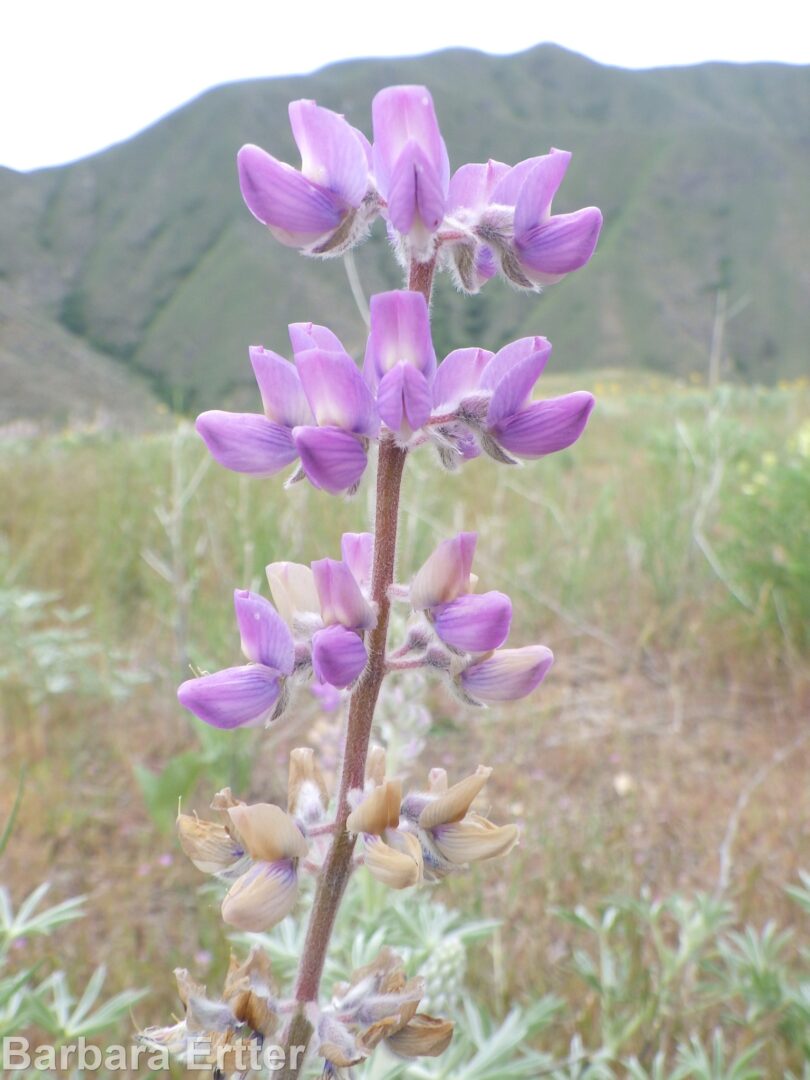
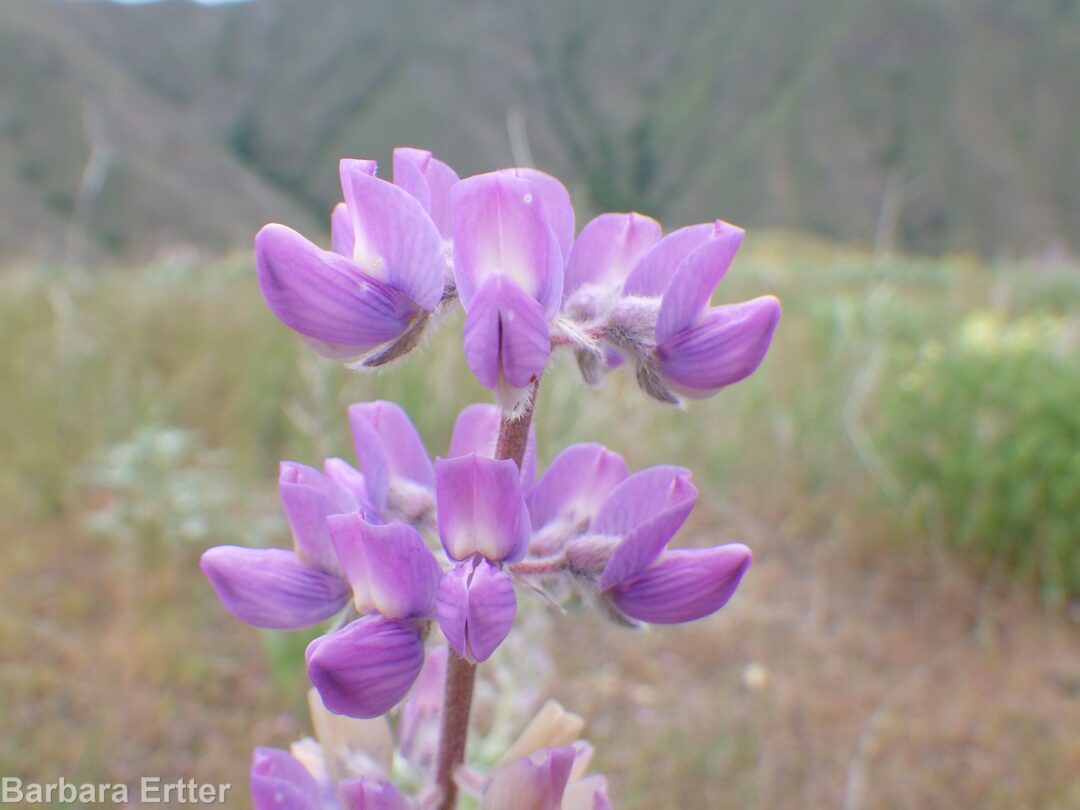
Lupinus sericeus is widespread throughout the flora area, often occurring as scattered plants on roadcuts and rocky slopes rather than as large stands. Flower color varies from purple to pale lavender, or even nearly white, with older flowers often turning pale brown. The simplest way to tell L. sericeus apart from other locally occurring lupines is by the large gap between the tip of the upper petal (banner) and the lower part of the flower, providing relatively easy access to the spring-loaded arrangement of pistil and stamens. Other differences include pubescence, pedicel length, and branching pattern, but these are more subtle and generally come with experience.
A great deal of variation occurs across the large range of Lupinus sericeus in western North America, but efforts to treat this variation taxonomically have had questionable results. Barneby (1989) provided an overview of some of the more prominent variants in the Intermountain region, but refrained from formally recognizing them: “While the segregate nomenclature mentioned in this paragraph may be locally useful and meaningful, its formal adoption puts undue emphasis on a few of the visually arresting points on the scale of variation in the species and tends to conceal its continuous nature”. Among the variants that Barneby mentioned from Idaho were a consistently blue-flowered variant, a slender stemmed, small-petaled variant, and a particularly “velvety-pubescent” variant from the Snake River Plains; which, if any, of these occur in Boise Front has not been determined.
In the Pacific Northwest, the treatment of L. sericeus by Hitchcock et al. (1961) recognized three varieties: var. asotinensis in southeastern Washington, var. fikeranus in central Washinton and adjacent Oregon, and var. sericeus for everything else. The current successor to this treatment (Hitchock & Cronquist 2018) retains var. asotinensis but transfers var. fikerensis to the synonymy of var. sericeus. Alternatively, Plants of the World Online (accessed 30 July 2026) accepts three subspecies and five varieties within L.sericeus, with partial correspondence to the variants outlined by Barneby. Variety asotinensis, however, is raised to species level, with the name at this rank changed to L. garfieldensis. In contrast, the recent treatment of the genus in Flora of North America (Sholars & Riggins 2023) lumps all of these in an undifferentiated L sericeus.
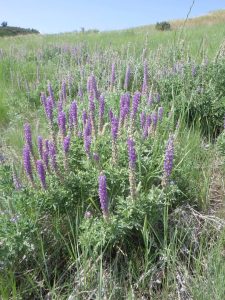
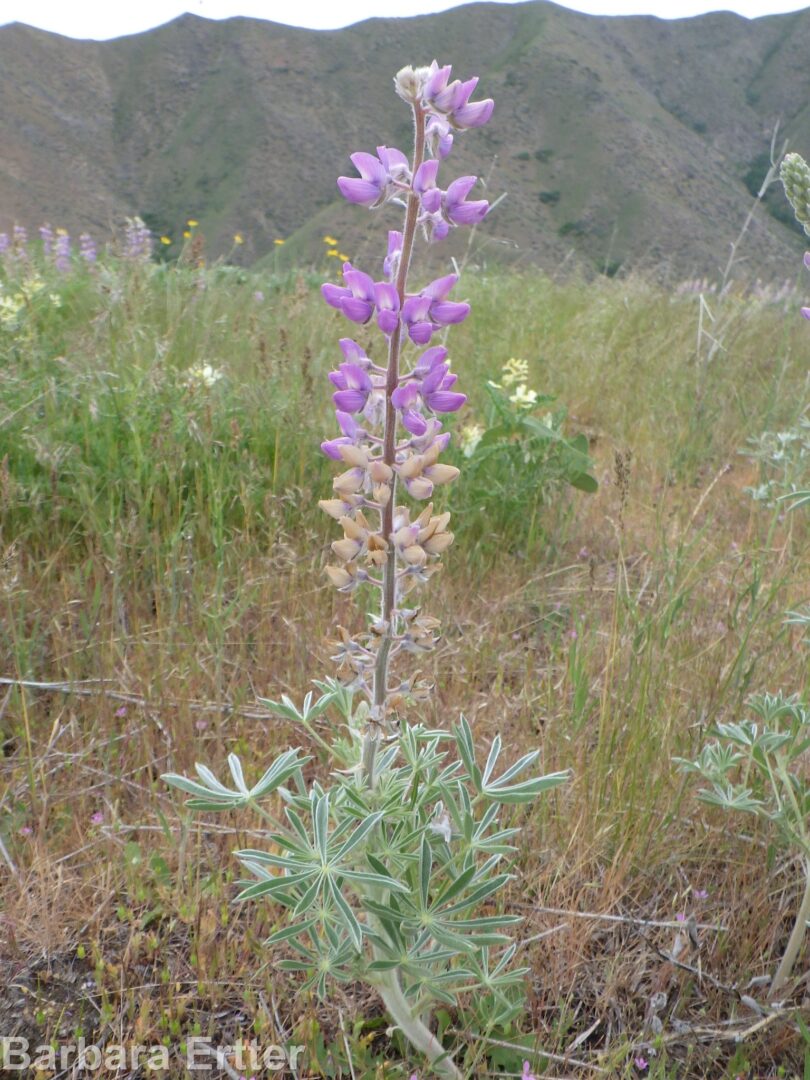
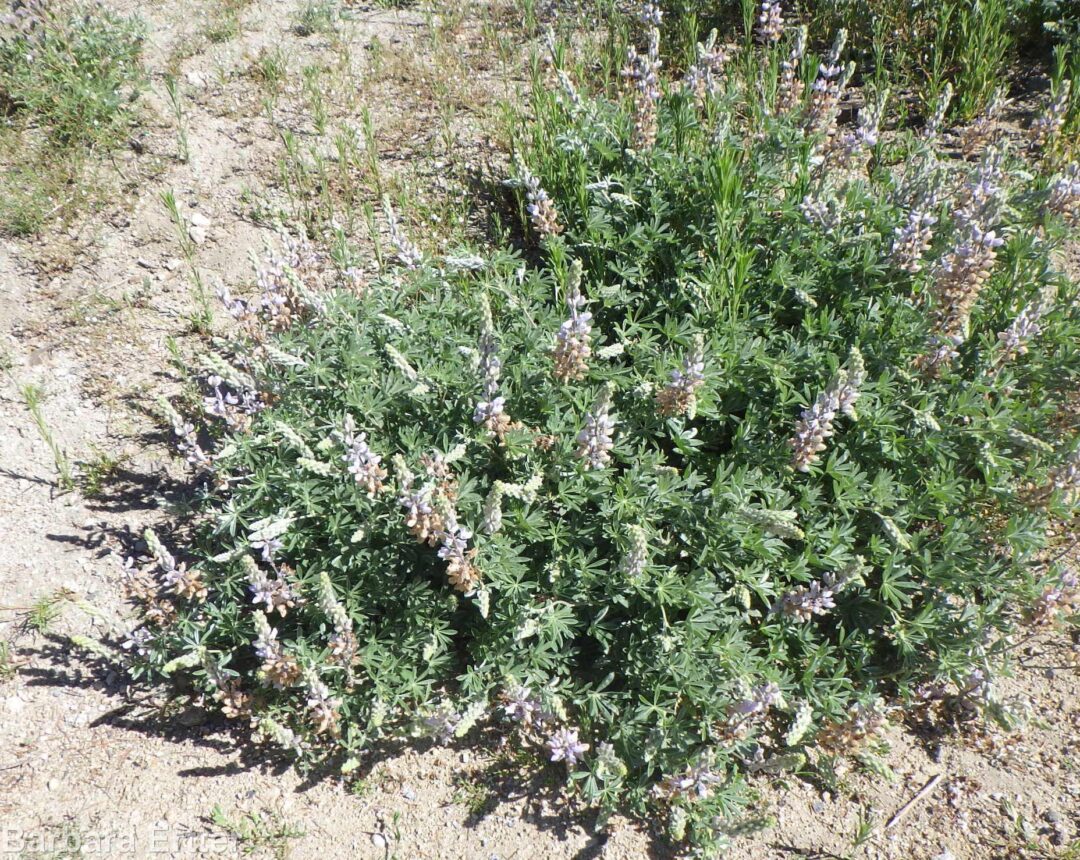
Following Flora of North America seems the wisest course at this stage of our knowledge of a particularly recalcitrant species. It is worth noting nevertheless that there are as least two morphological extremes even without our limited area. The common form on the Boise Ridge (left photo) has pale purple flowers and is almost always branched. In contrast, plants in the Lucky Peak area, particularly noticeable along the lower Cervidae Trail (middle photo), have more intensely purple flower and are often (but by no means always) single-stemmed. In addition, a colony of a particularly large plants is established in the Avimor area (right photo), presumably originating from non-local seeds from an unknown source.
silky lupine (Lupinus sericeus var. sericeus)
silky lupine (Lupinus sericeus var. sericeus)
Lupinus sericeus (cultivar)
Barneby. R. C. 1989. Fabales. Intermountain Flora, vol. 3, part B.
Hitchcock, C. L., A. Cronquist, M. Ownbey, and J. W. Thompson. 1961. Vascular Plants of the Pacific Northwest, part 3: Saxifragaceae to Ericaceae. University of Washington Press.
Hitchcock, C. L. and A. Cronquist; edited by D.E. Giblin, B. S. Legler, P. F. ZIka, and R. G. Olmstead. 2018. Flora of the Pacific Northwest: an illustrated manual. Second edition. Univ. Washington Press.
Sholars, T. and R. Riggins. 2023. Lupinus. Flora of North America north of Mexico 11.1: 193–249.